
Calcific Tendinitis
Calcific tendinitis of the shoulder is a condition in which calcium deposits build up within the rotator cuff tendons, causing significant pain and dysfunction.
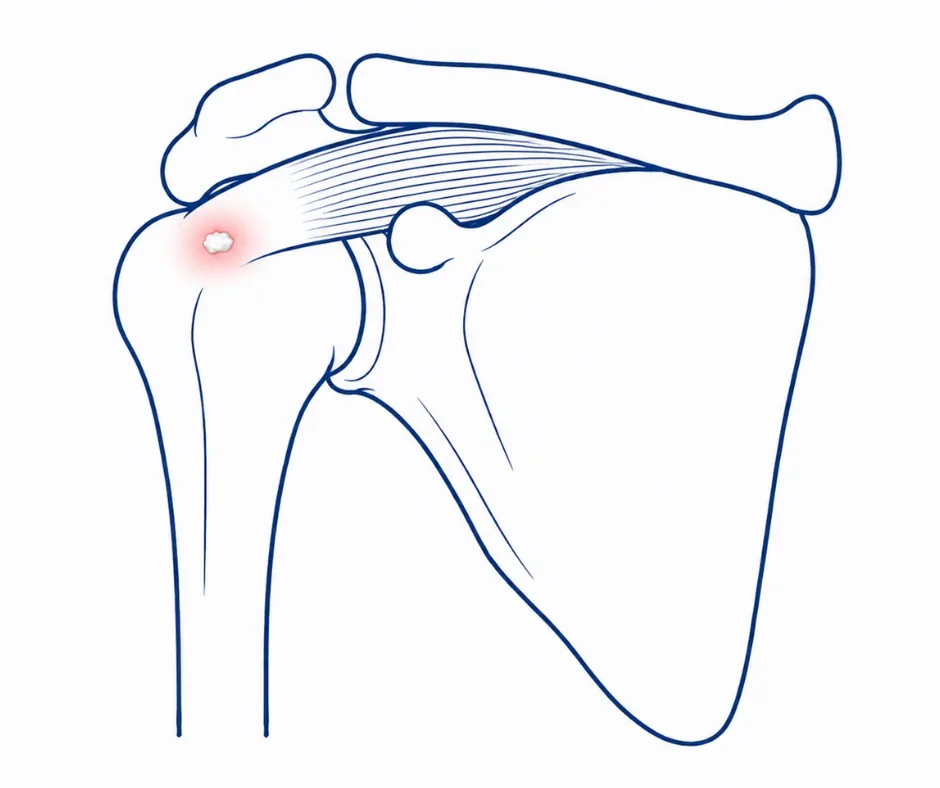
What is Calcific Tendinitis?
The condition occurs when calcium crystals deposit within the substance of the rotator cuff, most commonly the supraspinatus tendon. The reason this happens is not entirely understood, but it tends to affect people in their 30s to 50s and can occur without any preceding injury.
The condition tends to progress through several phases: a formative phase (during which deposits form, often with relatively mild symptoms), a resting phase, and a resorptive phase, during which the calcium becomes fluid-like and can cause intensely severe pain as it irritates the surrounding tissue.
Diagnosis
X-rays of the shoulder readily demonstrate calcium deposits. Ultrasound scanning allows the deposits to be characterised in more detail and can guide treatment.
Symptoms
Acute, severe shoulder pain, often sudden in onset and intense
Marked restriction of movement
Tenderness around the shoulder
Milder, more chronic aching during the formative phase
Treatment Options
Non-Surgical Treatment
The majority of patients with calcific tendinitis improve with non-surgical treatment:

Anti-inflammatory medication and short-term rest during acute episodes
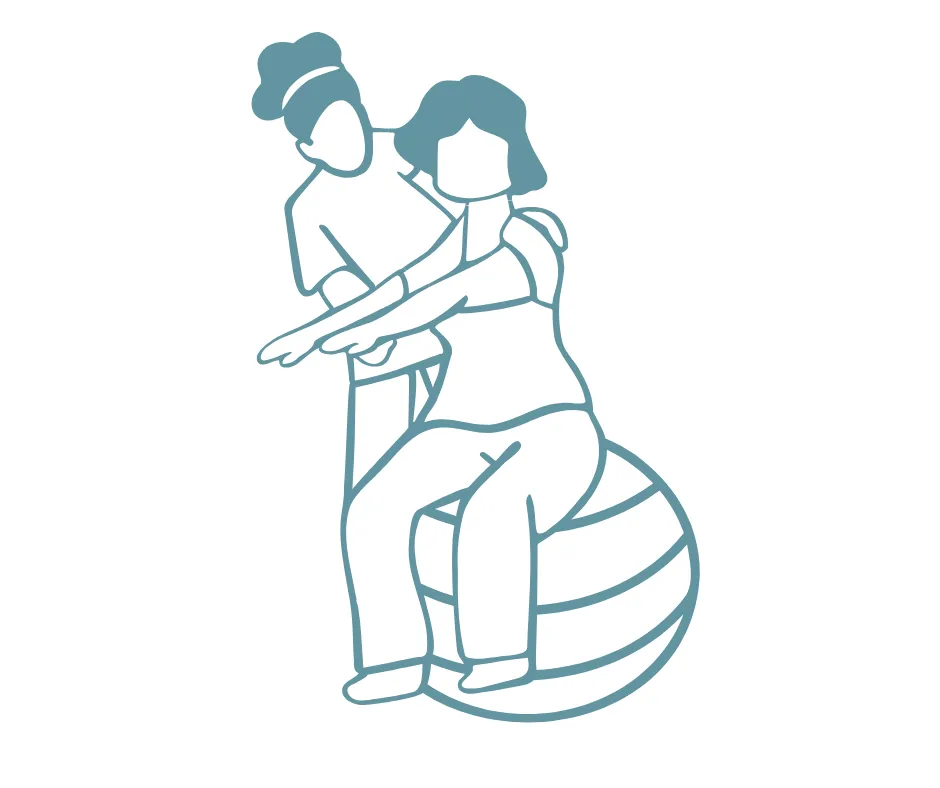
Physiotherapy to maintain shoulder movement and strength
Ultrasound-guided barbotage (needling and lavage)