
Biceps Tendinitis & SLAP Tears
The biceps muscle has two tendon attachments at the shoulder. The long head of biceps runs through the shoulder joint and attaches to the top of the socket via the superior labrum. Conditions affecting this tendon include inflammation (tendinitis) and tears at its attachment point (SLAP tears).
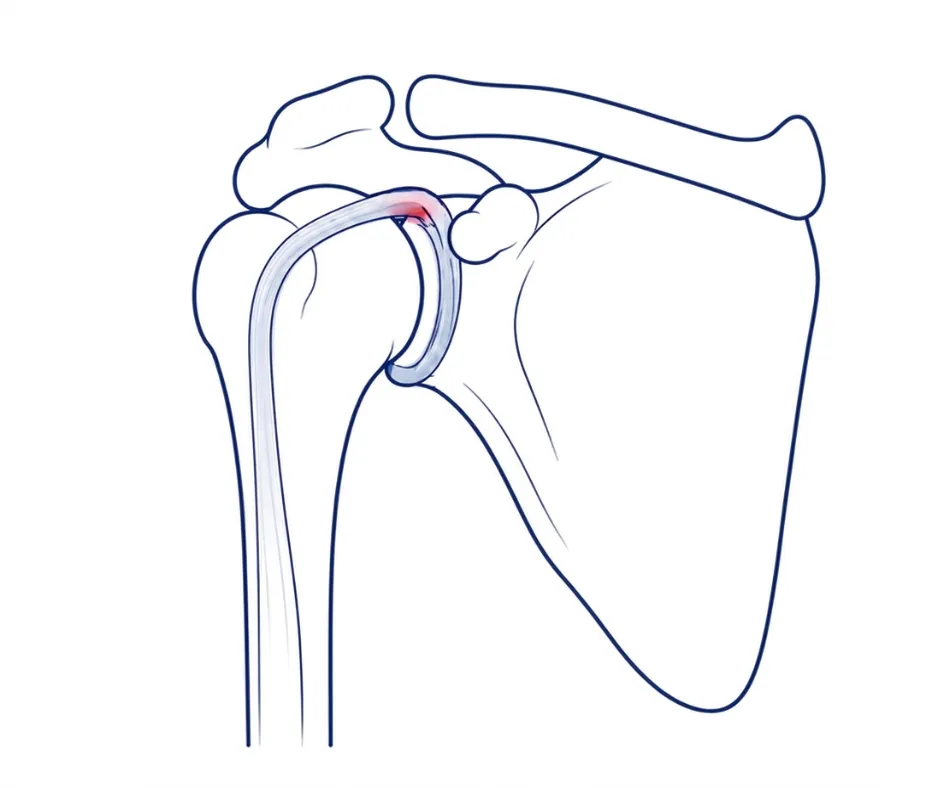
What is Biceps Tendinitis?
What are SLAP Tears?
Inflammation of the long head of biceps tendon causes pain at the front of the shoulder, often made worse with overhead activity or lifting. It commonly coexists with other shoulder conditions such as subacromial impingement or rotator cuff pathology.
A SLAP (Superior Labrum Anterior to Posterior) tear is a tear of the cartilage ring (labrum) at the top of the shoulder socket, at the point where the long head of biceps attaches. SLAP tears can result from acute trauma, such as a fall or a sudden traction injury, or from repetitive overhead activity, particularly in throwing athletes.
Diagnosis
Clinical examination, including specific provocative tests for the biceps and labrum, guides diagnosis. MRI arthrogram (MRI scan performed with a contrast injection into the joint) provides detailed imaging of the labrum and biceps origin.
Bicep Tendinitis Symptoms
Pain at the front of the shoulder and upper arm
Tenderness along the bicipital groove (the groove in the upper arm where the tendon runs)
Pain with lifting, overhead reaching, or elbow flexion against resistance
SLAP Tears Symptoms
Deep shoulder pain, often difficult to localise precisely
A catching, clicking, or clunking sensation in the shoulder
Pain with overhead activity and throwing
Weakness and discomfort with certain movements
Treatment Options
Non-Surgical Treatment
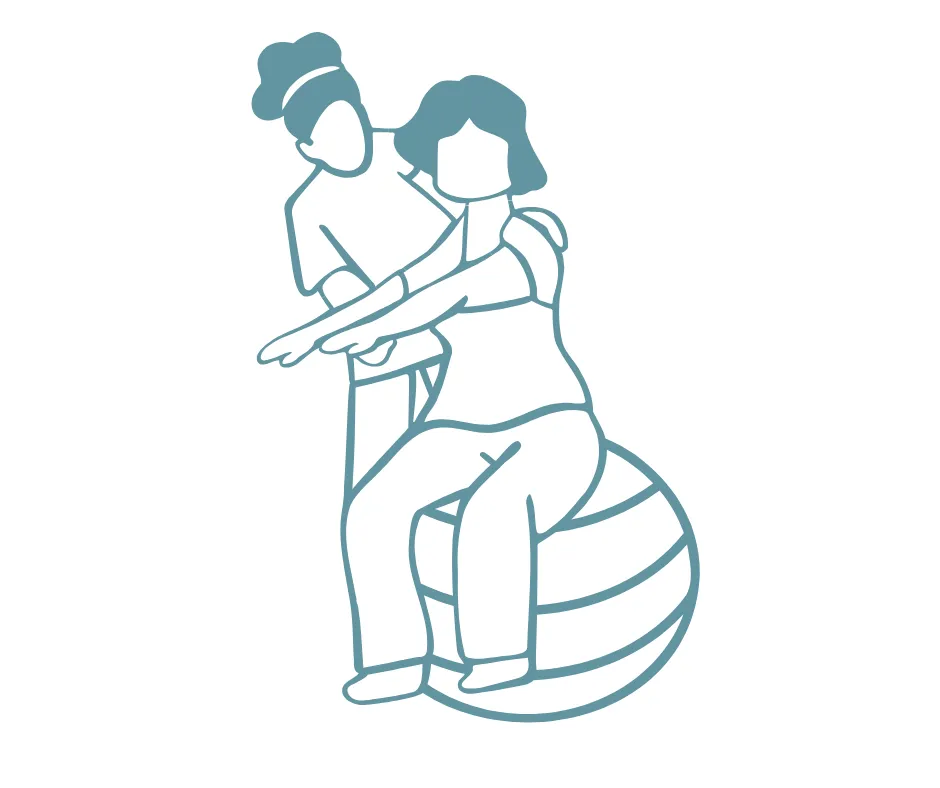
Physiotherapy targeting rotator cuff strength and shoulder mechanics
Anti-inflammatory medication
Corticosteroid injection around the biceps tendon sheath or into the joint
Surgical Treatment:
For appropriately selected patients with SLAP tears, Mr Adam offers arthroscopic SLAP repair surgery. This keyhole procedure restores the torn labrum to its normal attachment on the glenoid rim, aiming to relieve pain and restore shoulder function.
In certain cases - particularly in older patients, those with degenerative tissue, or when the long head of biceps tendon is damaged—a biceps tenotomy (release of the tendon) or biceps tenodesis (release and reattachment of the tendon to the humerus) may be performed instead of, or in addition to, labral repair. These procedures effectively address biceps-related pain and have been shown to produce excellent functional outcomes and high rates of return to activity.
The choice of procedure is tailored to each patient based on age, activity level, tear type, tissue quality, and individual goals.

Contact Us
07521544473
Nuffield Health York Hospital
Haxby Road, York, YO31 8TA
Clifton Park Hospital (Ramsay) York
Bluebeck Drive, Shipton Road, York, YO30 5RA