Rotator Cuff Tears
The rotator cuff is a group of four muscles and their tendons that surround the shoulder joint, providing both stability and the ability to lift and rotate the arm.
A rotator cuff tear is one of the most common causes of shoulder pain and weakness, particularly in adults over 40.
What is a Rotator Cuff Tear?
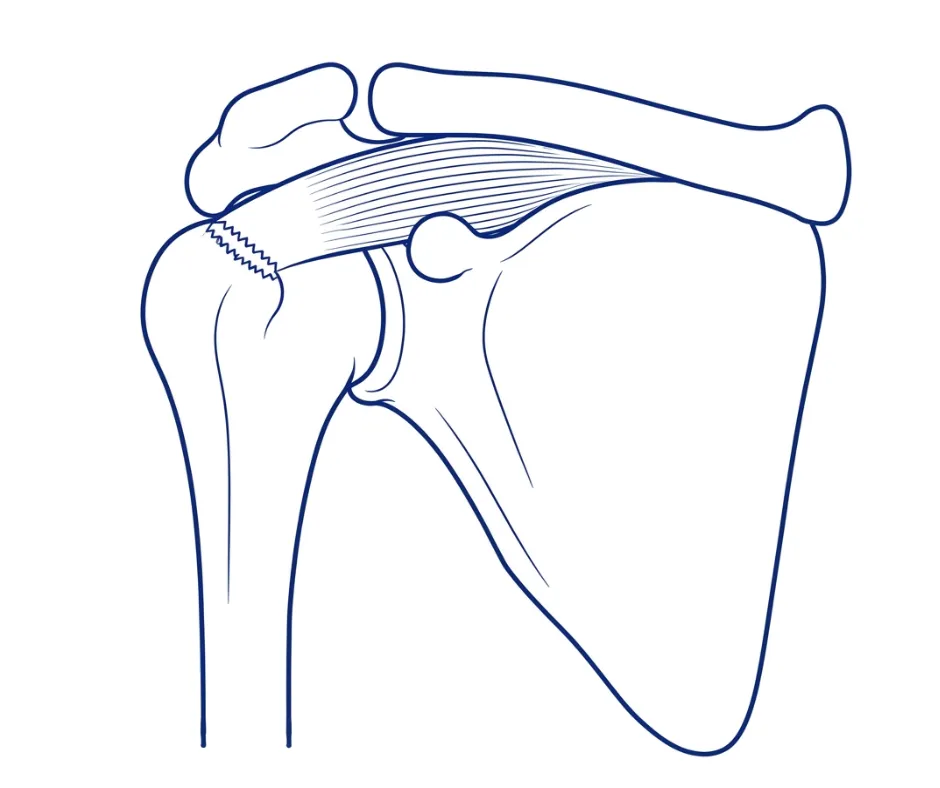
A rotator cuff tear occurs when one or more of the tendons that attach the rotator cuff muscles to the upper arm bone (humerus) become damaged or torn.
Tears can be partial, or full thickness, leading to pain and dysfunction.
Causes
Acute injury, such as a fall on an outstretched arm or a sudden heavy lift
Degenerative wear, gradual fraying of the tendon over time, particularly with age
Risk factors also include repetitive overhead activity and certain occupations
Symptoms
Pain over the shoulder, often worse at night
Weakness when lifting the arm or reaching overhead
Difficulty with everyday tasks such as dressing or reaching behind the back
Treatment Options
Non-Surgical Treatment
Not all rotator cuff tears require surgery. Many patients can be managed effectively with:
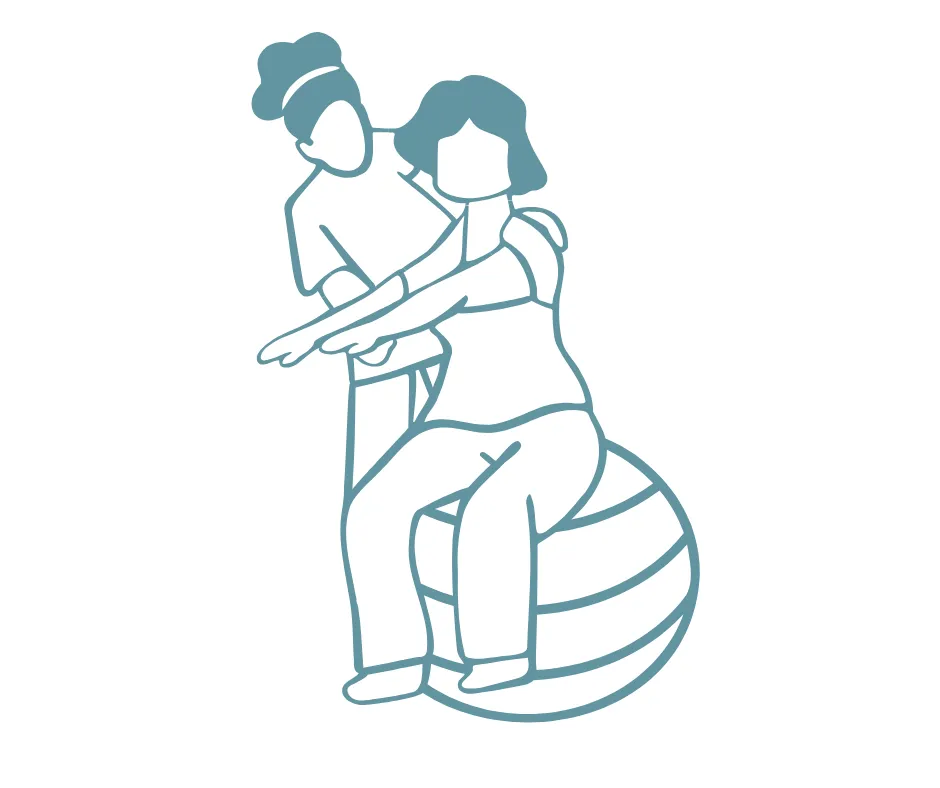
Physiotherapy to strengthen the surrounding muscles and improve shoulder mechanics
Anti-inflammatory medication and activity modification
Guided corticosteroid injection to reduce pain and inflammation
Surgical Treatment: Arthroscopic Rotator Cuff Repair
When non-surgical treatment fails to provide adequate relief, or where the tear is large and significantly affecting function, surgery may be recommended. Mr Adam performs arthroscopic (keyhole) rotator cuff repair — a minimally invasive technique carried out under general anaesthetic through small incisions around the shoulder.
During the procedure, the torn tendon is reattached to the bone using small anchors. Arthroscopic surgery minimises soft tissue disruption and is associated with a faster recovery compared to open techniques.
Recovery
Recovery from rotator cuff repair takes several months. You will typically be in a sling for four to six weeks, followed by a structured physiotherapy programme.
Most patients achieve good pain relief and functional recovery within six to twelve months. Mr Adam's team will provide guidance and support throughout your rehabilitation.

Contact Us
07521544473
Nuffield Health York Hospital
Haxby Road, York, YO31 8TA
Clifton Park Hospital (Ramsay) York
Bluebeck Drive, Shipton Road, York, YO30 5RA